In a glorious building, the SYPPO is organizing the three-day international conference “Greek Crafts: contemporary trends and perspectives”(16-18/4).
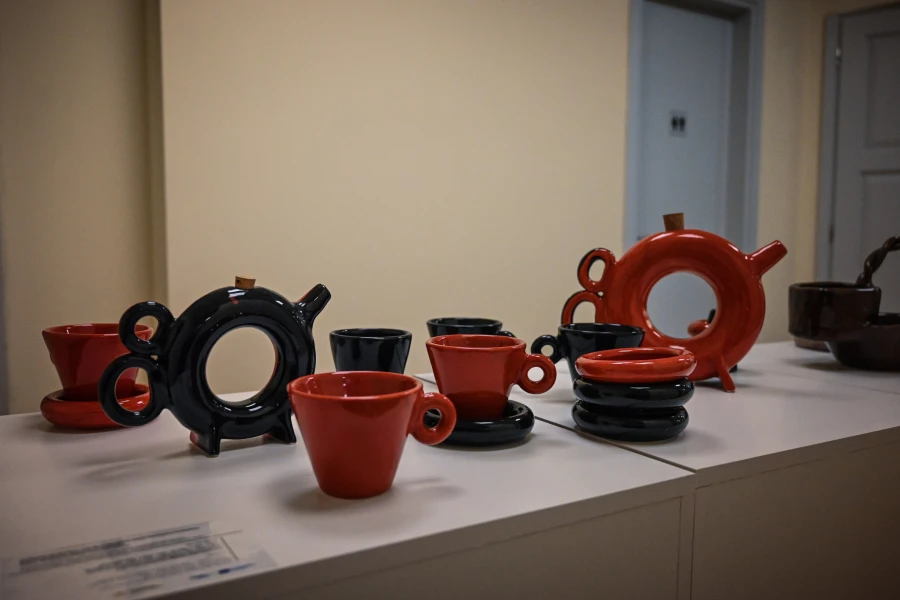
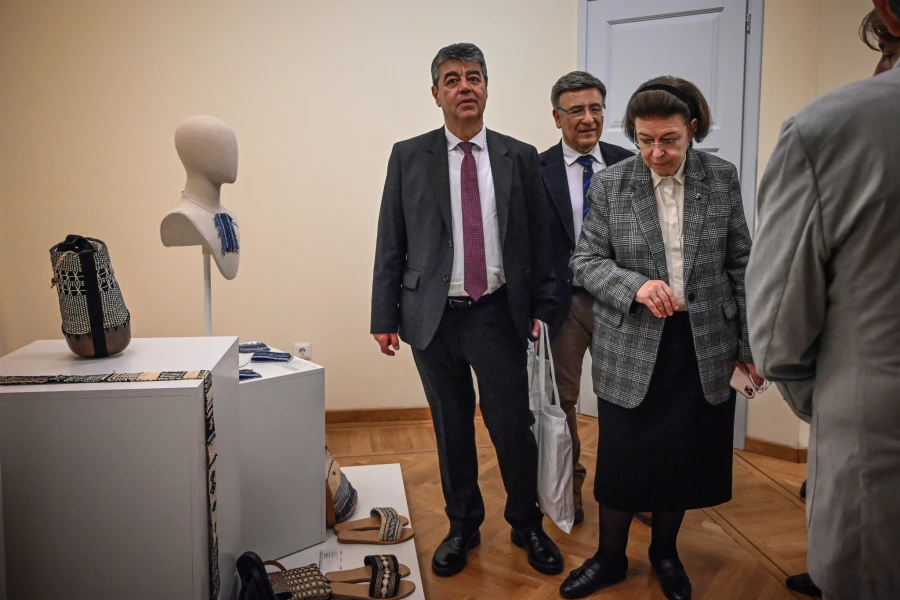
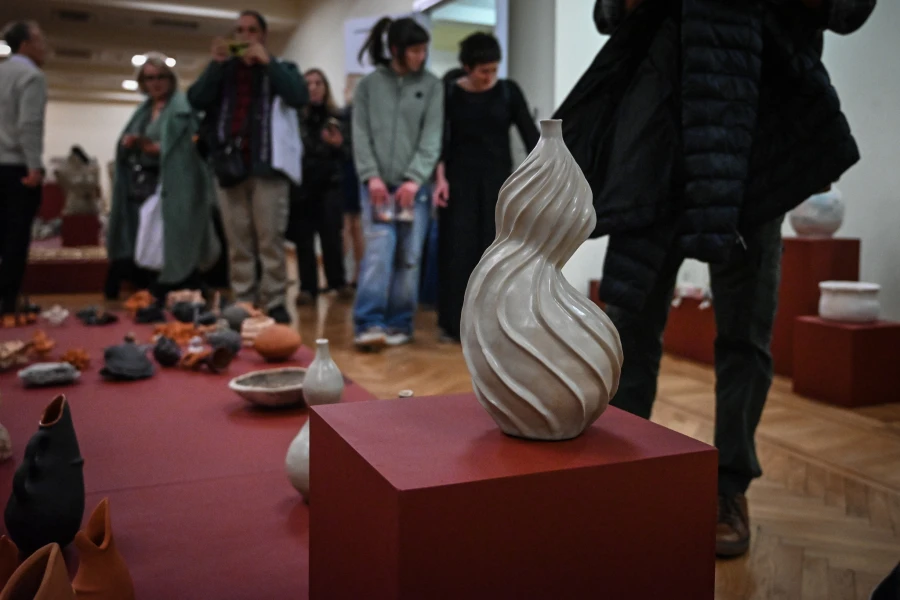
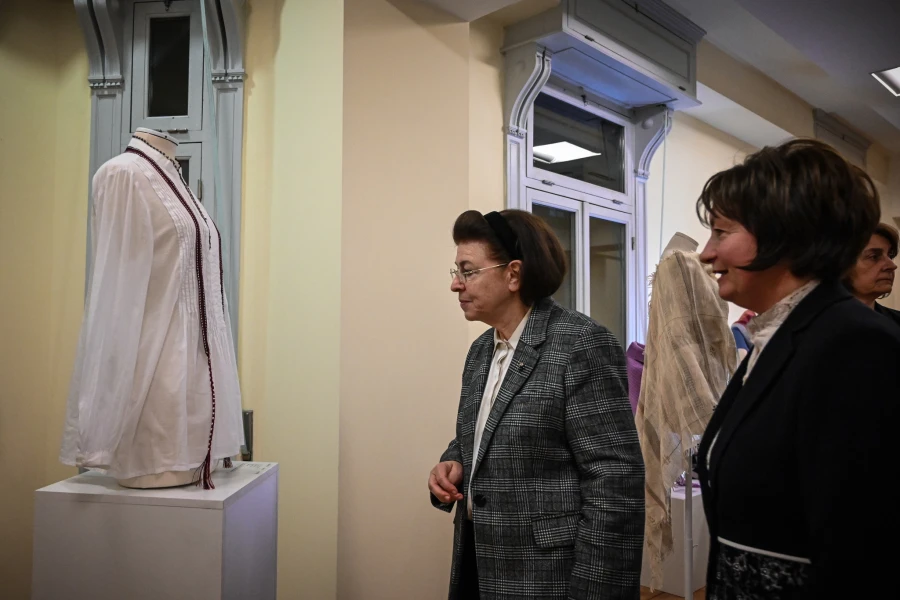
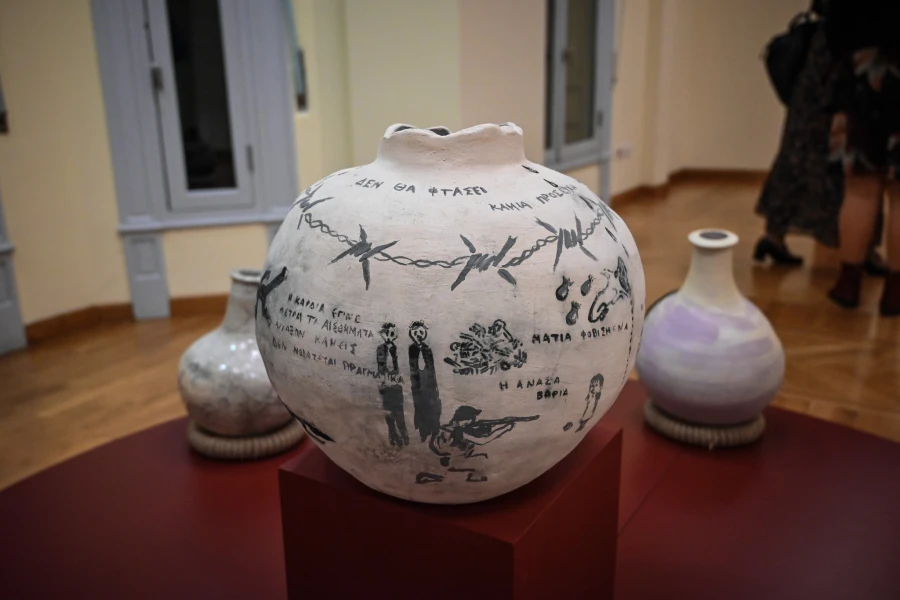
In the renovated Acropole Palace (51 Patission and Averoff, Athens), which after years of inactivity seems to be gradually finding its rightful place in the cultural “map” of the city, started the international conference, organized by the ministry in collaboration with the Universities of West Attica, West Macedonia and Thessaly. At the same time, an impressive exhibition of handicraft works by graduates of the educational structures, which operated under the programme “Strategy for the Restoration and Development of Greek Handicrafts”,which was implemented by the Ministry of Culture, with funding from the Recovery and Resilience Fund, was inaugurated. The exhibition, which will run until 26 April, presents works of weaving, ceramics and woodwork created during the pilot educational programmes implemented by the Lifelong Learning Centres of the three universities (Thessaly, West Attica, West Macedonia), (November 2024 – December 2025).
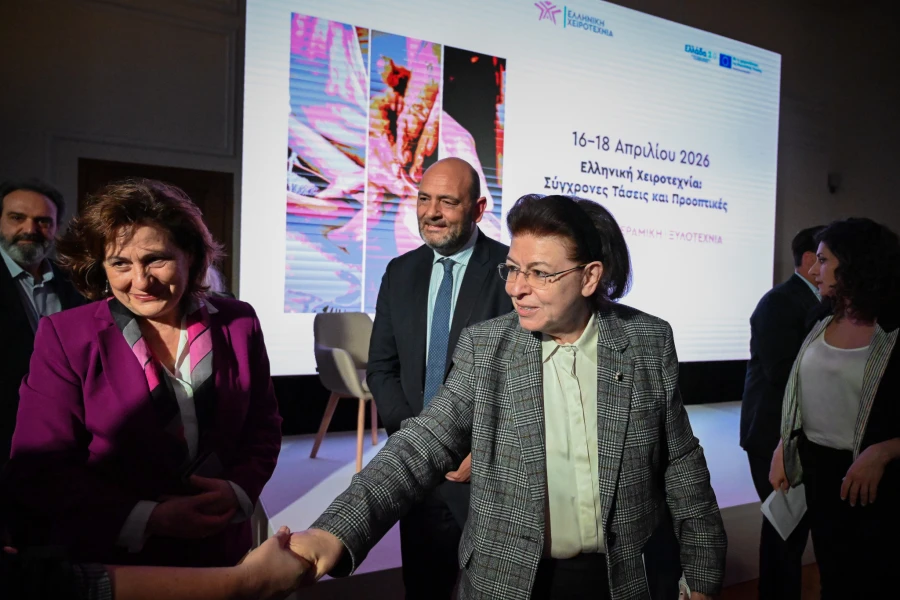
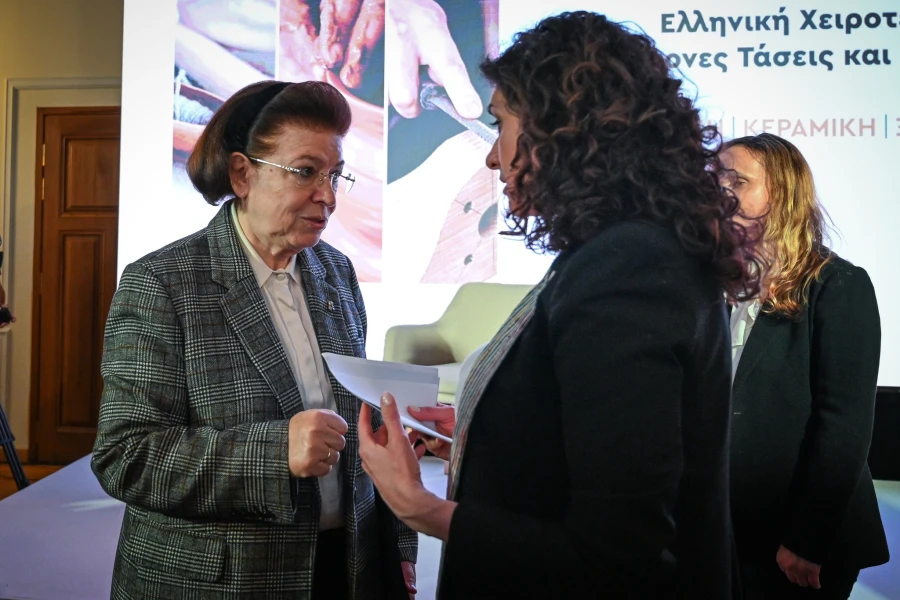
“Our desire is to continue the pilot training program that is now complete. It is already being evaluated and the next steps are being taken for its continuation,” said Culture Minister Lina Mendoni in her speech, referring to the revival of Greek crafts, a priority of the Ministry of Culture from 2019, as well as the pilot educational programmes, with application in weaving, woodworking and pottery, which were carried out in cooperation with the Centres for Training and Lifelong Learning (KEDIBIM) of the Universities of West Attica, West Macedonia and Thessaly.
“The revival of Greek handicraft is not only about the preservation of the intangible cultural heritage, a capital of inestimable value, but also about its transformation into a modern development model, which is fed by traditional practices to restore a springboard for growth, employment and revitalization of the Greek region. The revival of Greek handicrafts involves a huge potential, which has just begun to emerge,” Mendoni noted.
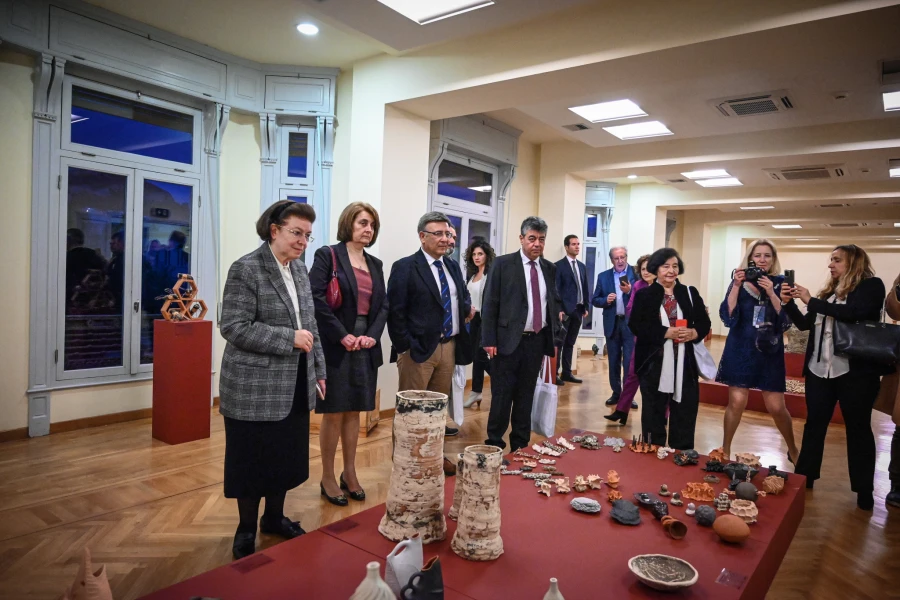
The minister referred to a sample of some of the 19 structures around the country where the pilot training programmes were carried out, such as those that operated, in cooperation with the KEDIBIM of the University of Western Macedonia, in Psarades of Florina, in Thrapsano of Crete, in Maleki of Volos (for ceramics), in Nestorio Kastoria and Vlastis of Kozani (for weaving) and the weaving programmes that, in cooperation with the KEDIBIM of the University of West Attica, were developed in the structures of Athens, Alexandroupolis, Didymotei and the ceramics structure of Athens, “in order”, as he stressed, “to demonstrate their geographical dispersion and their organic synthesis with the long-standing local tradition”.
At the same time, the Minister of Culture spoke about the cooperation that the Ministry of Culture has started since last March with the Region of Western Macedonia, the Region of Peloponnese and the University of Western Macedonia,under a programmatic contract, in a research project for the development of a curriculum and educational material for the establishment and operation of professional apprenticeship schools in the art of stone, in Pentalofos, Voio, Kozani and Lagadia, Gortynia.
“Our aim is also in this case the revival and development of the traditional art of stone making, which is not part of the craft in the sense of creating objects for sale, but is directly related to it. The object is the establishment of schools of stone and traditional forms of building, which will endow the market, as the demand for stone craftsmen is high.First of all, these people will find permanent employment through the Ministry of Culture in all restoration projects, Ms. Mendoni, while referring to the upgrading of the Preparatory and Vocational School of Fine Arts Panormos Tinos to a Higher School of Fine Arts Marble Crafts Panormos Tinos, which “serves the same purpose”, namely the rescue and development of traditional techniques that are threatened, as well as the preservation of the woodcraftsmanship aimed at by the School of Woodcrafts of Samos, which will operate (partially operates) at the Museum of Aegean Shipbuilding and Maritime Arts, in Heraion, Samos.
“Finally, the establishment and operation of the “Handicrafts Museum of Embroidered Fabric” is part of the wider strategy of reviving handicrafts. The Ministry of Culture is utilizing a building-monument owned by the Ministry of Culture, the historic Greek handkerchief craft in Metaxourgeio, which will serve as an annex to the Museum of Modern Greek Culture. With the restoration and reuse of the building of the Greek mantilla craft, we serve a double purpose. On the one hand, the promotion and development of a huge tradition, the evolution of infrastructural art, as it is reflected in the building and the mechanical equipment. On the other hand, the preservation of this tradition, which is not only intended for museum use, but also as a trigger for the revival of old techniques in the context of encouraging craftsmanship,” the minister noted.
The conference, which is ongoing, features distinguished speakers and people in the field who give their experience from their involvement with handicrafts, as well as their valuable appreciation of the industry’s prospects.