

A new chapter in tourism relations Athens and Paris is being opened with the signing of a strategic agreement aimed at jointly addressing the sector’s contemporary challenges.
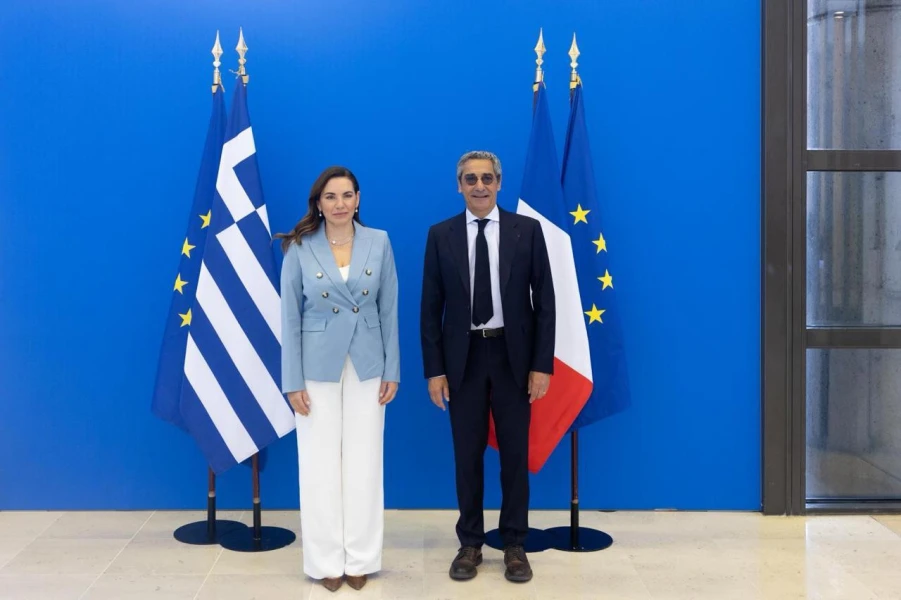
“Greece and France are joining forces to shape the future of European tourism together” stated the Minister of Tourism, Olga Kefalogianni, during the signing of the bilateral agreement with the French Minister of Small and Medium-Sized Enterprises, Commerce, Crafts, Tourism, and Purchasing Power of the French Republic, Serge Papin.
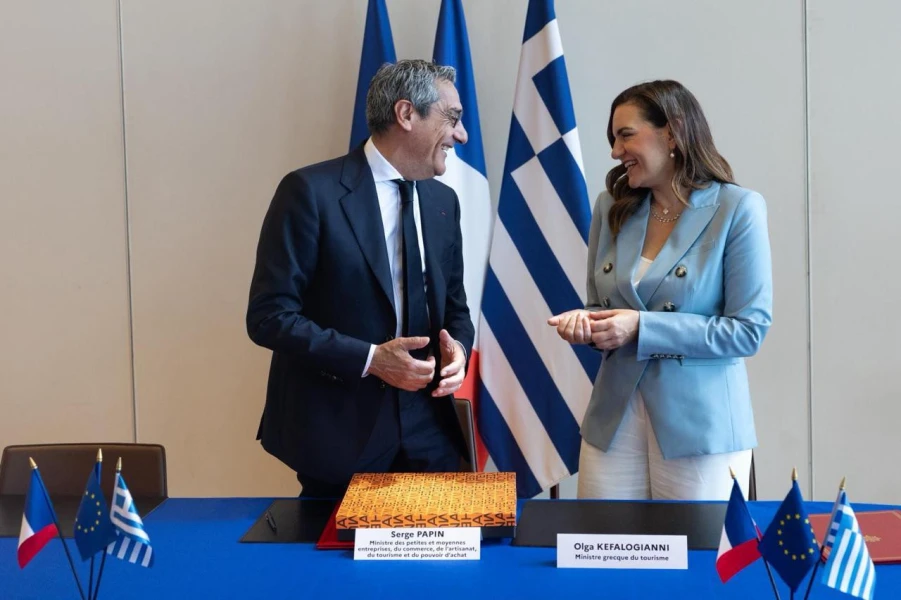
According to a related announcement, the Minister of Tourism pointed out that “at a time when the tourism sector is called upon to address the major challenges of sustainability, digital transformation, and international competitiveness, cooperation between our countries takes on particular strategic importance. The bilateral agreement we signed today reaffirms our shared commitment to investing in the exchange of know-how, in harnessing innovation and data, and in developing policies that strengthen the resilience and quality of our tourism product. We believe in a model of tourism development that creates value for local communities, protects the natural and cultural capital of destinations, and distributes the benefits of tourism evenly across space and time. Greek-French cooperation in tourism makes a substantial contribution to shaping the new European strategy for the tourism sector and highlights the role thatmember states can play through joint initiatives, synergies, and the exchange of best practices.”
It should be noted that the bilateral agreement is part of the strong Greek-French relations and the mutual interest in the tourism sector. It also reaffirms the two countries’ commitment to strengthening cooperation in this area with the aim of promoting a more balanced and sustainable model of tourism development, fully aligned with the European framework of policies and priorities in the tourism sector. The two sides agreed to engage in dialogue and strengthen the exchange of expertise on issues related to sustainable tourism and the development of new tourism sectors. Furthermore, cooperation will be expanded to include the exchange, dissemination, and utilization of tourism data with the aim of improving evidence-based policymaking. Particular emphasis is placed on innovation and new technologies, with the aim of promoting smart solutions that enhance the quality of the visitor experience and support startups.
At the same time, emphasis is placed on supporting the dual transition of the tourism sector—both ecological and digital—recognizing that they are interlinked pillars of a modern, resilient, and competitive European tourism ecosystem. The two countries also seek to promote a balanced model of tourism development, with a better geographical and temporal distribution of tourist flows and respect for the environment and local communities.
The signing of the bilateral agreement follows a meeting between the two ministers, during the 126th Session of the UNWTO Executive Council in Toledo, where they discussed European tourism financing issues, the development of the new European Strategy for Tourism, as well as prospects for further strengthening their cooperation.


