

The role of Greece as an energy and transport pillar in the Three Seas Summit by Constantine Tasoulas.
The President of the Republic, Constantine Tasoulas, stressed in his intervention at the 11th Summit of the Three Seas Initiative the role of Greece as a reliable energy hub, transport and supply chains at the south-eastern edge of Europe, stressing that the country’s participation adds the southern dimension to a common European interconnectivity effort.
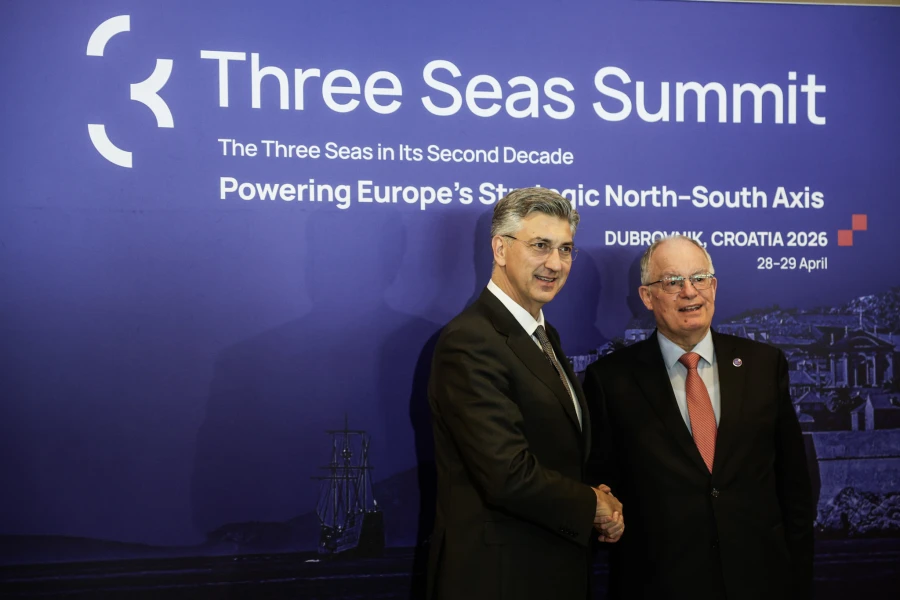
The President of the Republic noted that the region can become one of the key drivers of Europe’s growth if investments in energy networks, transport corridors and digital connectivity continue.
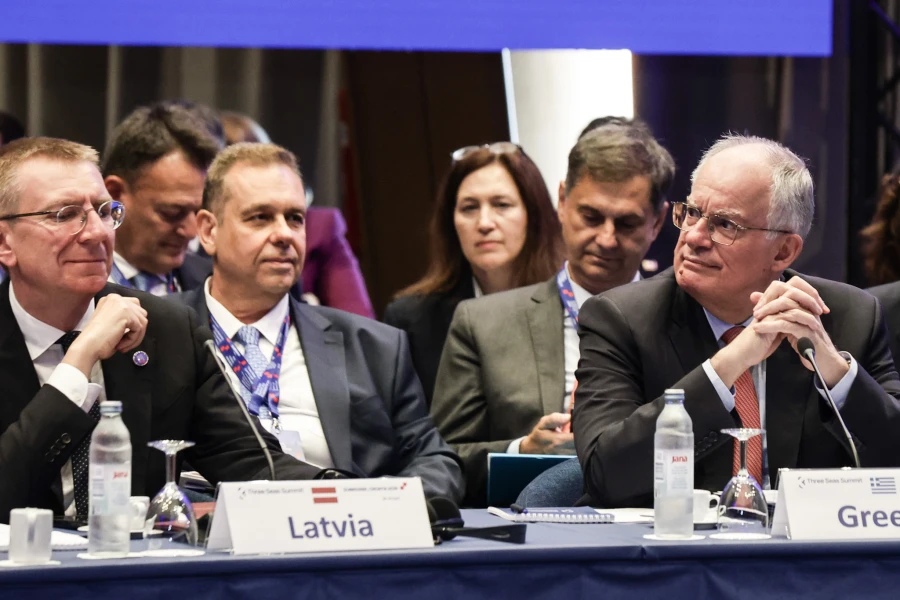
As he said, this infrastructure not only enhances economic prosperity, but contributes to Europe’s stability, resilience and strategic autonomy.
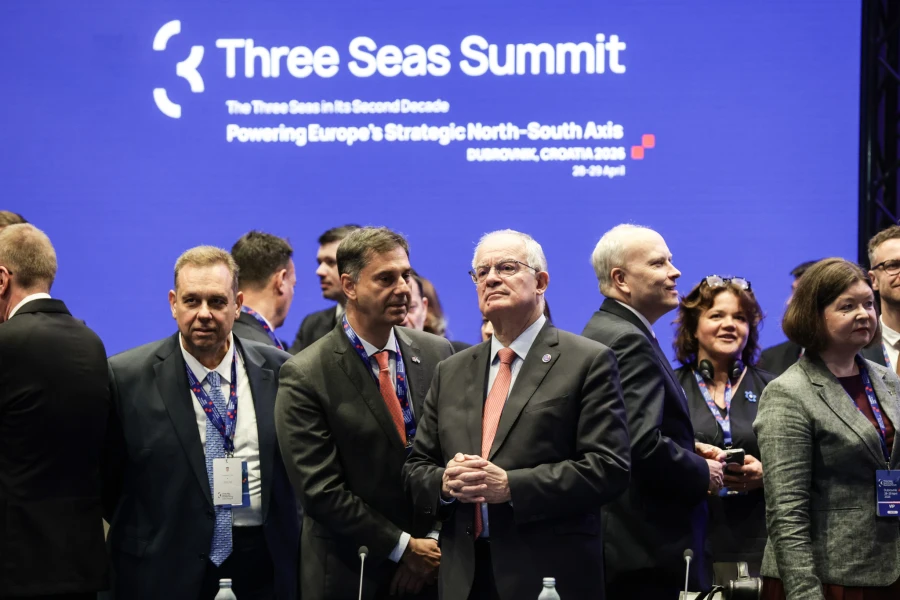
He made particular reference to Europe’s energy transition and gradual decoupling from Russian gas. He stressed that Greece is contributing to the creation of a more resilient and diversified energy architecture through projects such as the LNG terminal at Revithoussa and the FSRU floating unit in Alexandroupolis.
These infrastructures, he said, enhance the diversification of supply sources in Southeast Europe and support gas flows to the north, via Bulgaria, Romania and Moldova, up to Ukraine.
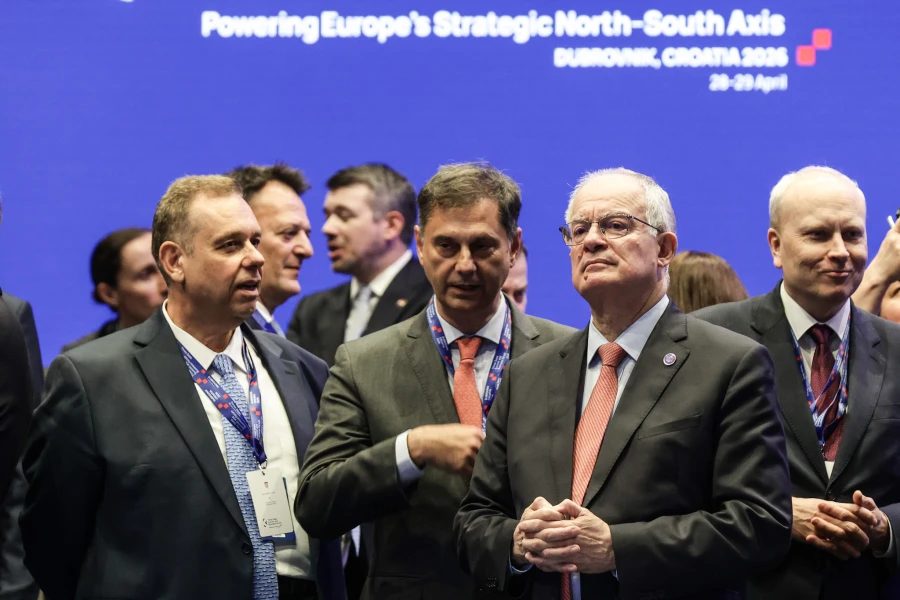
The President also touched on the importance of energy storage, noting that underground gas facilities, LNG infrastructure and battery systems can act as strategic buffers against supply disruptions and market volatility.
On transport, he said that Greece’s priority is the development of secure and interoperable networks, with an emphasis on rail links to the country’s major ports.
In conclusion, Mr. Tassoulas stressed that today’s economic, geopolitical and technological challenges require cooperation, strategic insight and a common sense of purpose, describing the Three Seas Initiative as an important platform for practical cooperation and cohesion for the wider region.


